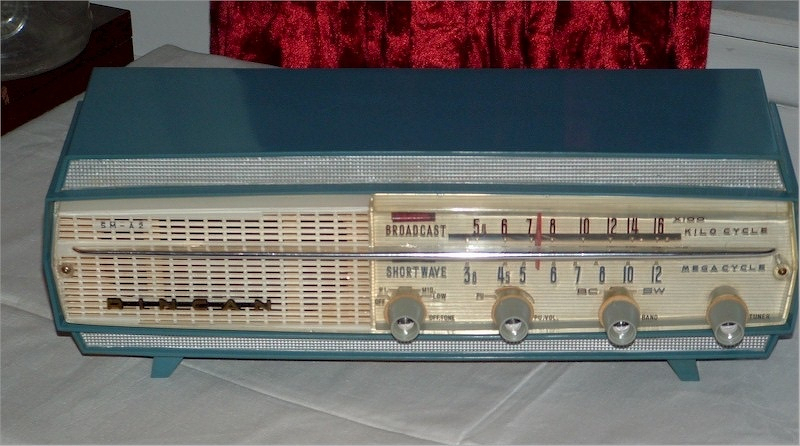
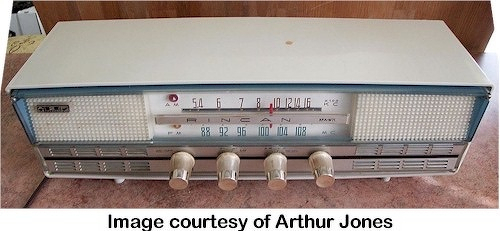
Turn the dial take a trip
how it started:
A simple afternoon running around the thrift stores with the missus. “oh that’s a cool radio…”
how it ended:
A 5000 word markdown file all about Star-Lite, their owner, and partners, and a burning desire to ingest and regurgitate this information in a more pallatable form.
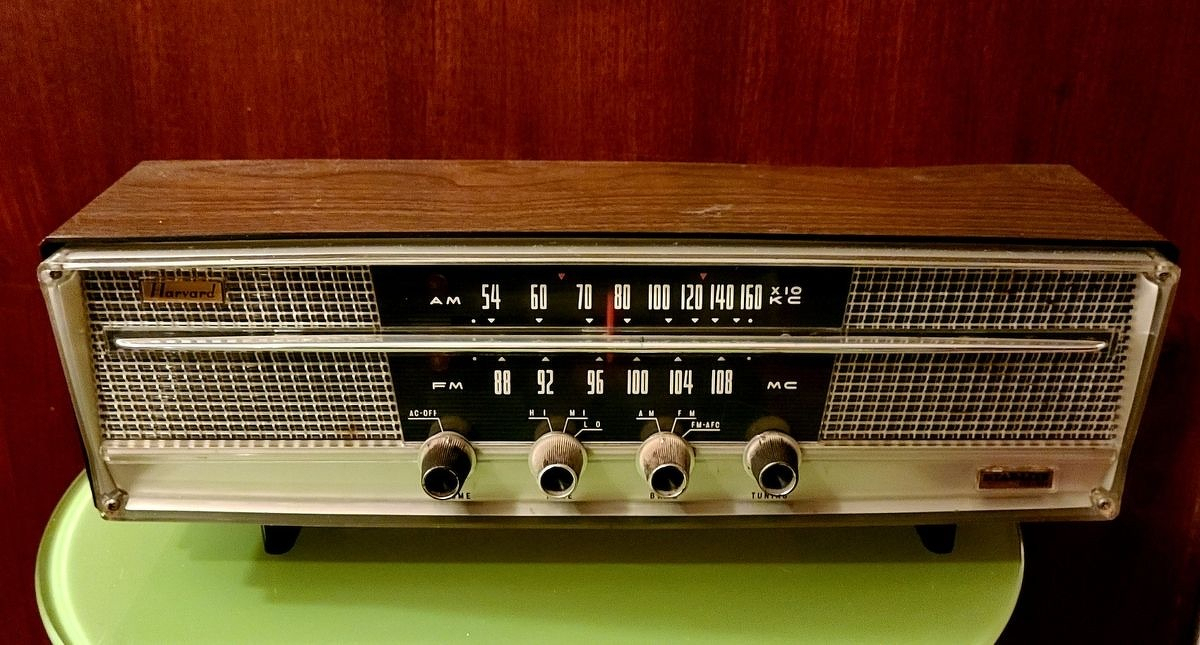
The Radio
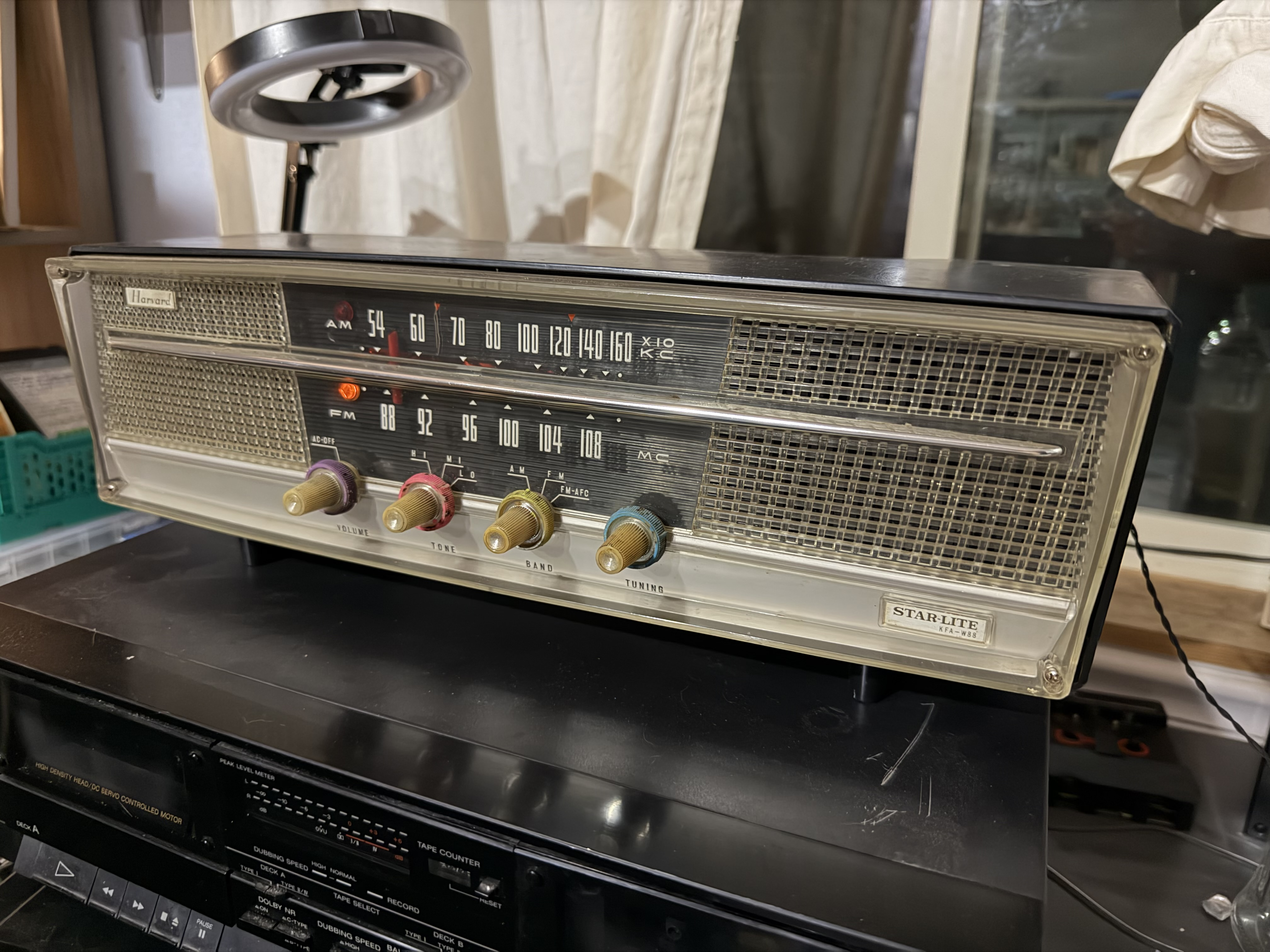
- Brand: Star-Lite / Harvard
- Model: KFA-W88
- Manufacture Era: 1961 – 1963
- Origin: Designed and built in Tokyo, Japan by Kyowa Electric Chemical Co. Ltd. (Under their Rincan export brand label)
- Imported By: Star-Lite Electronics Corp. (37 West 23rd Street, New York, NY)
"**she's a beaut clark**"
Indeed she is. Inspired by the late 50’s and early 60’s automotive dashboards, especially the Ford Thunderbird(a) and Chrysler 300(b). You can clearly see the nod to font and extruded dials. This styling is what caught my eye.
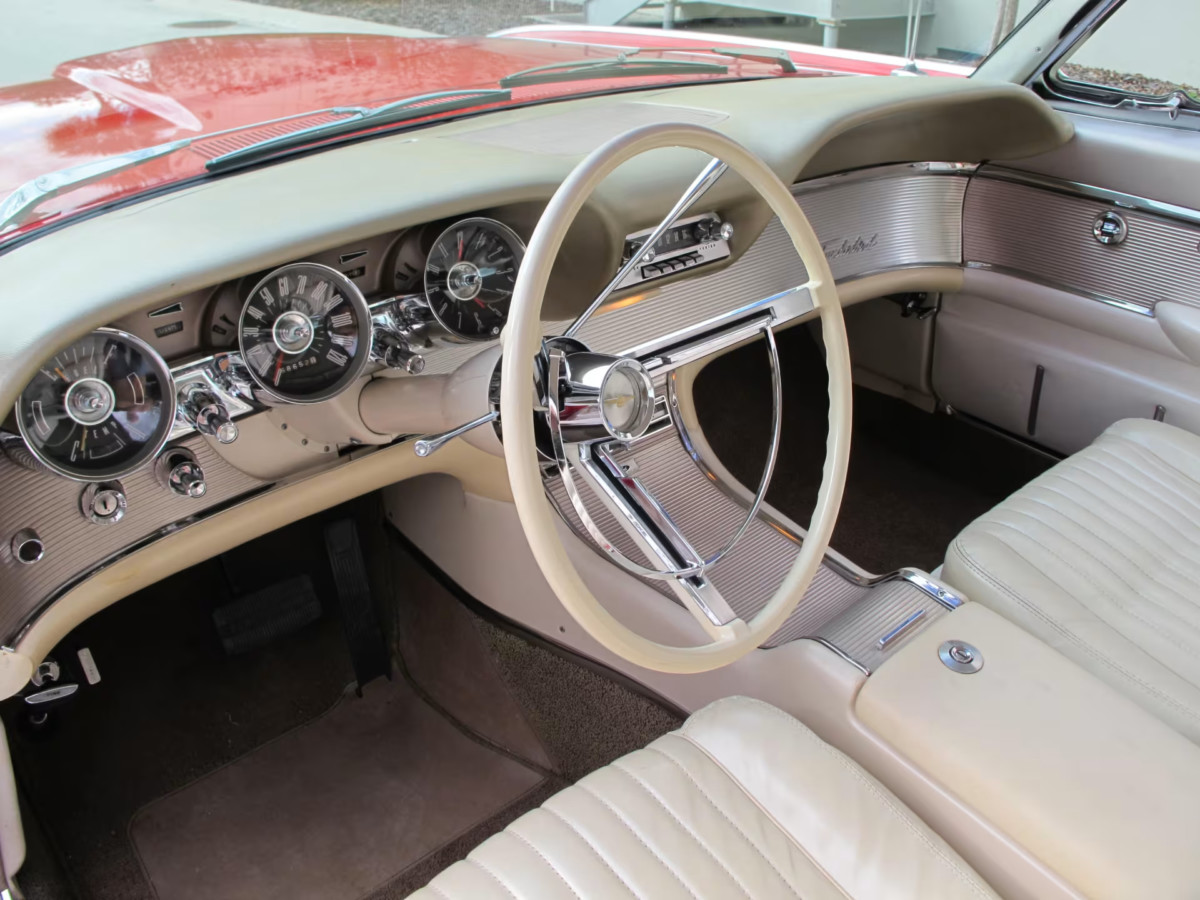 (a) Image of a 1962 Thunderbird from Curbside Classic Review
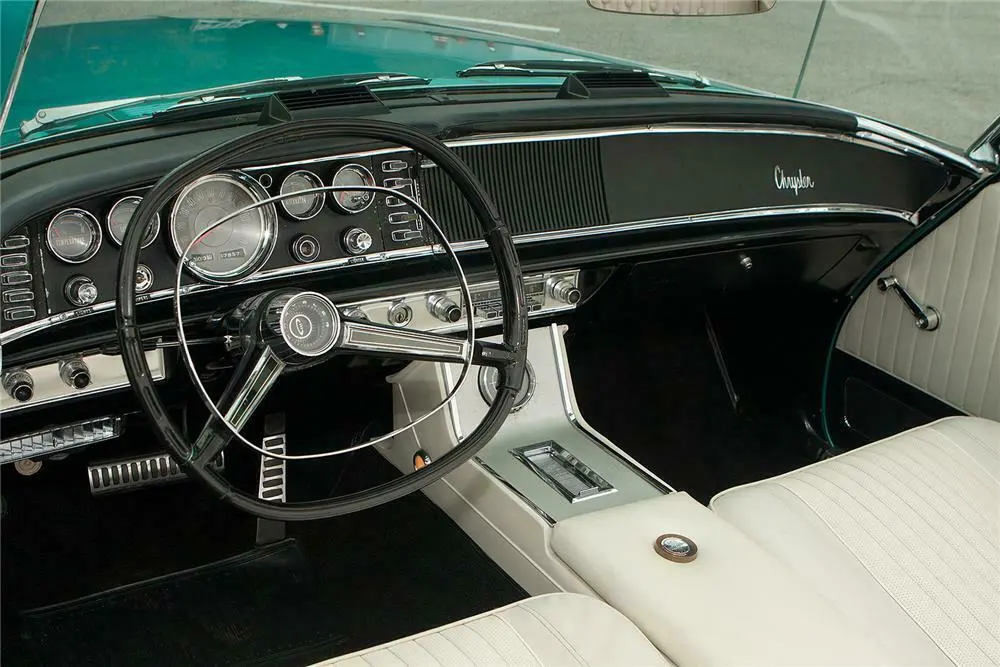 (b)image of the dash of the Chrysler 300 pacecar from Barrett-Jackson
The radio itself is one of the last of the generation of tube radios. It features a few things no longer found on modern radios. The dial is a lovely art deco font with the normal gradations plus a couple of Red Triangles which were used in the event of an emergency. These represented the civil defense frequencies. (Cuban missile crises era etc.). You'll also notice an indicator light for both AM and FM, but also some odd notations down the other end.
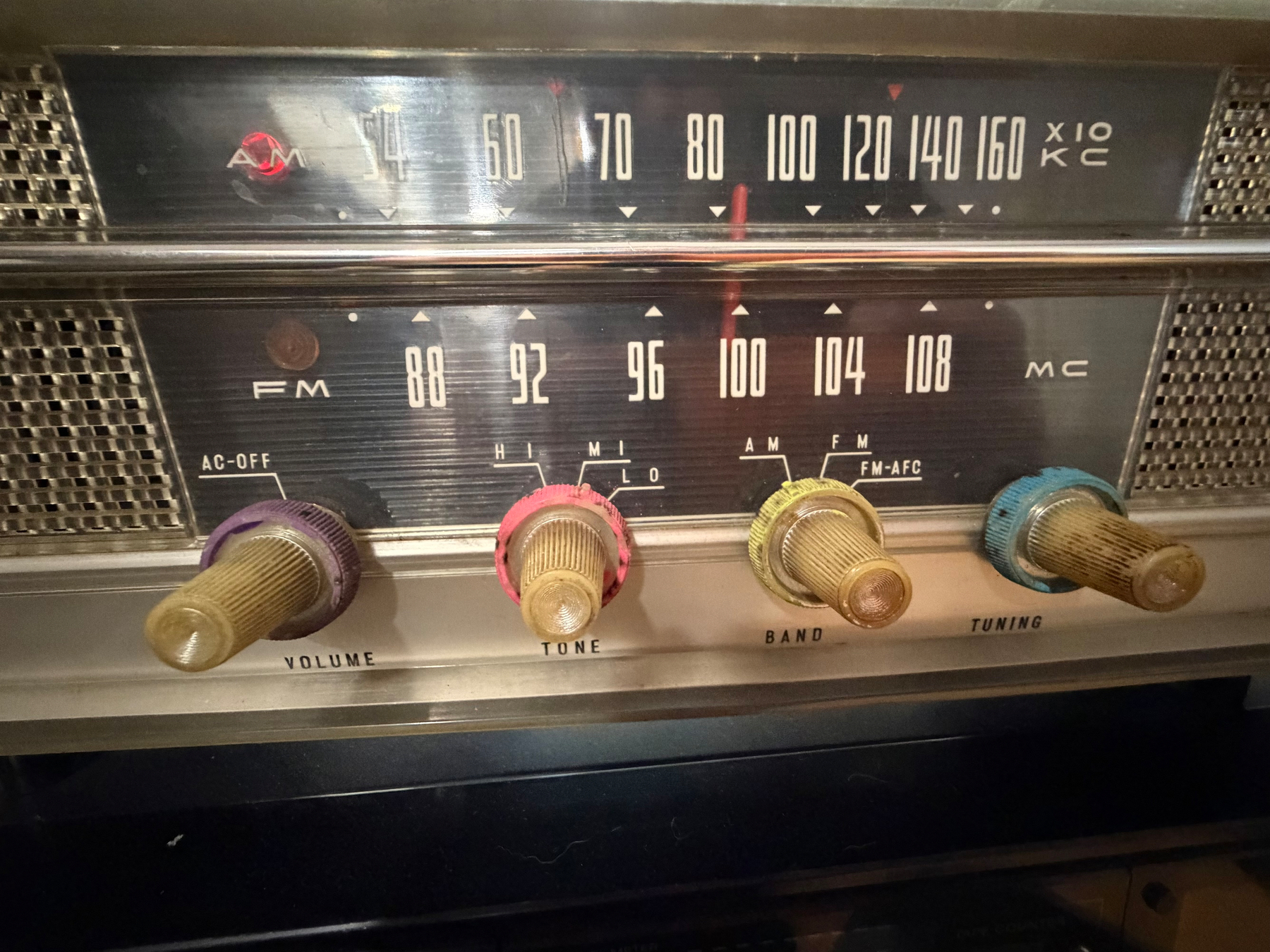
X10 | KC - The first part means you have to do math to determine your actual station. Don’t worry, it’s only the 10’s times table. So the demarked channel of 80 x 10 = 800 AM. KC stands for KiloCycles which is an older denotation for kilohertz (KHz) MC - Is simply an older term for megahertz (MHz)
The controls have a couple of quirks too.
- AC On / Volume - Ac standing for alternating current so power and volume
- HI/MI/LO/ Tone - This is of course a very rudimentary equalizer which switches between ephasizing bass, mids, and high frequencies.
- AM/FM/FM-AFC/Band - Switching between AM and FM plus a Automatic Frequency Control setting. Since this is a tube radio changes in temp can cause FM stations to drift and this circuit corrects for that.
- Tuning - as expected
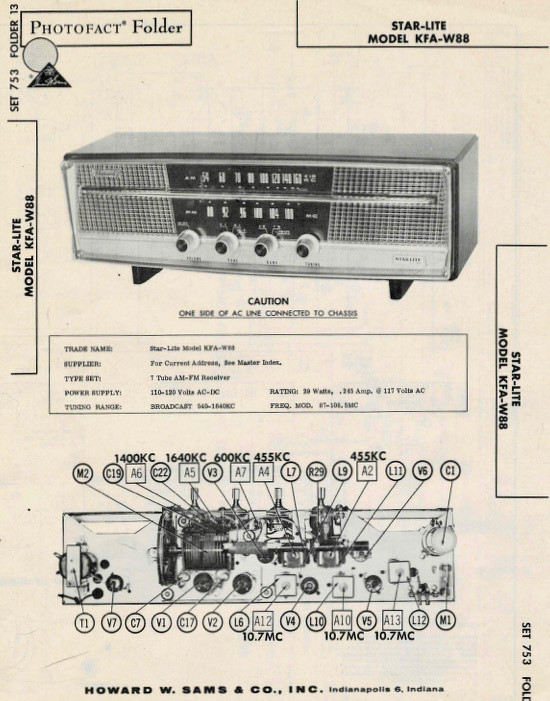
Despite this showroom sheen this old girl is still turning on, tuning in, and pumping out the jams. Bringing it home and plugging it in instantly gave me some warm fuzzies.
But, it also made me wonder, “who is Star-Lite”. I was a fan of the design b/c it was so different to what I was accustomed to. This opened a big bag of info I am still sorting through. I went on an internet sleuthing over the weekend to find out about Star-Lite, Rincan AKA Kyowa Electric Chemical Co. Ltd. and the socioeconomic reality that led to a short 10-15 year boom in cheap Japanese electronics.
The History
The Era: Mid 1950’s - Mid 1970’s
Post-war America was a thriving haven of middle-class aspiration. Families were reaching for and, some small percentage at least, achieving the “American Dream”. The rest were coveting the high-end stereo equipment showing up in dept stores. Capitalism never met a market need that it didn’t want to fill. So, into this gap many enterprising companies stepped with much cheaper, and many would say, much lesser quality items.
Meanwhile across the Pacific postwar Japan was experiencing its own “Miracle”. The government created favorable policies which invested in education and infrastructure. As a result their burgeoning middle class, built on a heavy industry boom, also cried out for more electrical goods. This led to the formation of many of the electronics firms we know today, either by pivoting from previous ventures or newly established.
The Companies
Pacific Imports
Star-Lite Electronics Corp. was actually a single spoke of Pacific Imports. Other brands owned and operated by Pacific Imports included Starlite without the hyphen , and Star-Lite Merchandise Corp. Star-Lite Electronics focused primarily on small transistor radios, and tape recorders, with some table top “High End” units such as the Harvard. (see some of their other products below)
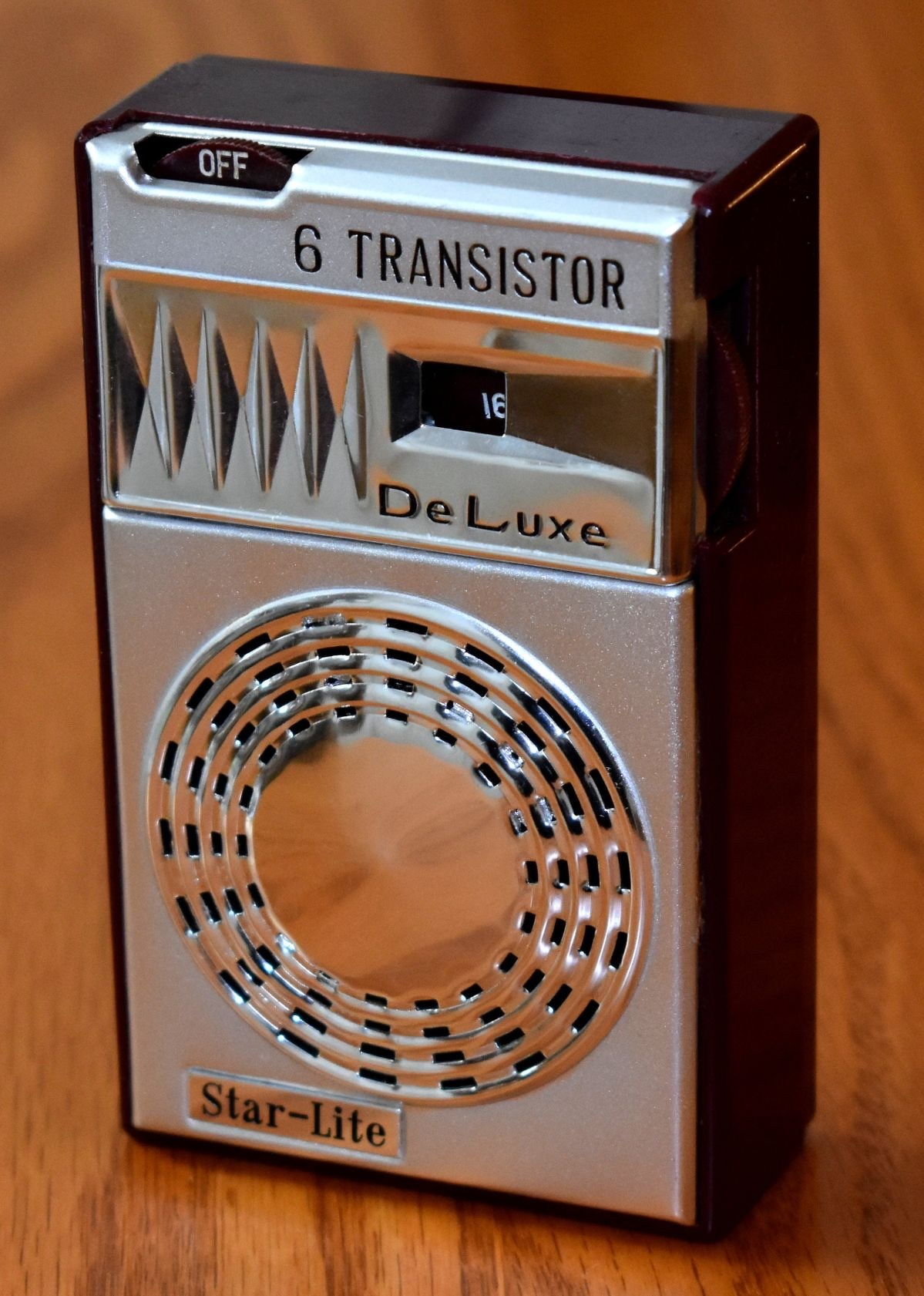
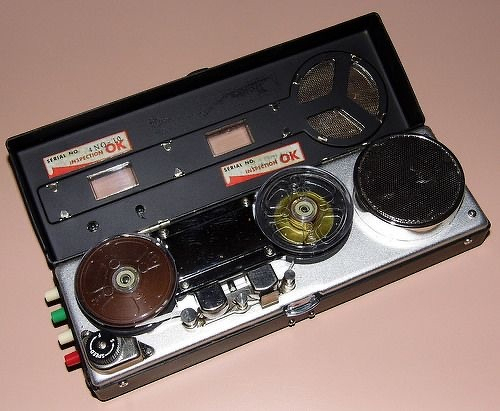
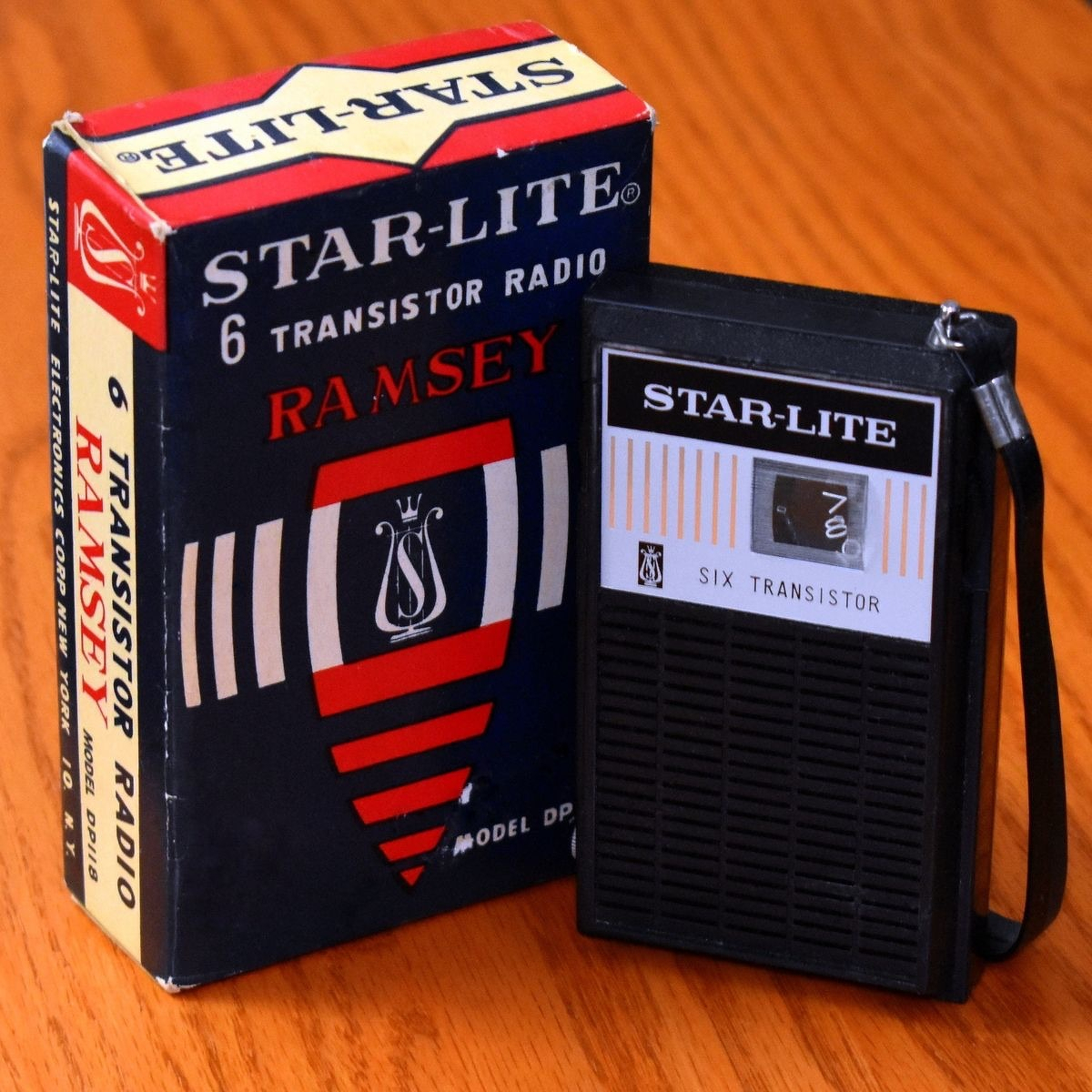
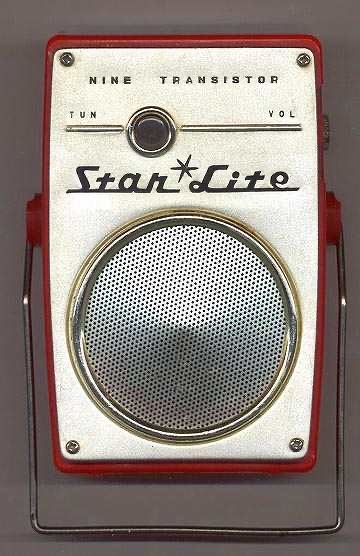
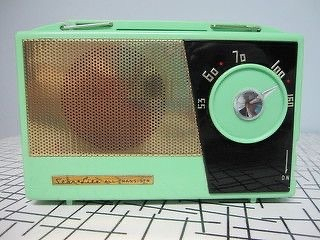
Starlite seems to have acted as the OEM brand for department stores and hardware stores like Hills, Western Auto, and Woolco(Woolworths). Woolco frequently ran massive newspaper circulars promoting “Japanese Radio Spectaculars.” Because Starlite could ship thousands of identical units under both the Star-Lite and Pacific names simultaneously, Woolco could advertise massive price drops without violating exclusivity protections promised to other urban department stores.
Star-Lite merchandise worked in the burgeoning television market. Historic trade records from the Weekly Television Digest (October 1960) archive statements from co-owner Dayon highlighting Star-Lite’s core operational vulnerabilities at the time: severe delivery schedule delays from Tokyo and the structural struggle to scale component quality to compete evenly with domestic American television giants. They were actively attempting to corner the micro-television market by introducing a specialized 8-inch portable TV chassis sub-contracted via Riken Industries in Japan to be sold at an aggressive $99 price point.
Kyowa Electric Chemical Co. Ltd. (Rincan)
Kyowa Electric Chemical Co. Ltd. (協和電気化学株式会社) was founded in 1954 in Tokyo’s Shinagawa-Ku district. The company’s unique competitive edge came from its dual internal framework:
- The Chemical Division: Specialized in high-precision, in-house plastic injection molding. They designed and fabricated their own vibrant polystyrene and acrylic radio cabinets.
- The Electric Division: Engineered superheterodyne vacuum tube circuits and early transistorized PCB assemblies.
Kyowa created the Rincan brand label for direct export, becoming highly celebrated for their ultra-wide, dual-speaker AM/FM tabletop “dashboard” designs. Simultaneously, they operated as a massive OEM supplier, building identical electronic chassis for trading partners to rebrand under badges such as Star-Lite, Lloyd’s, Tempest, Wales, and Universal.
The last song
Sadly, it all came to an end by the mid 70’s. Japanese giants absorbed or drove all the medium and small manufacturers out of business. At the same time they grew their own distribution and marketing satellites in America. There was no longer a space for the mid sized Japanese manufacturers or their savvy NY importers. Overall I found this to be a fascinating moment in Japanese-American trade history. It led the way for SONY and other behemoths to follow.